Welcome to Met Engage,
We're transforming the Met to become a service that truly delivers for you.
Through our new platform Met Engage you can get to know your local officers, help shape how we police your local area and have direct access to key information and advice.
This isn't just a platform for us to tell you what we're doing in your area, it's an opportunity for you to tell us what's concerning you most so we can take action on the things that truly matter to you.
Your Safer Neighbourhoods Team is a group of Met police officers dedicated to serving your community. The team is made up of officers based in your area or 'ward', supported by additional officers from the wider area.
We work closely with local authorities, community leaders and residents to decide our policing priorities for the area. This helps us to find useful, long-term solutions to local problems, while maintaining our wider focus on reducing crime across London.
To contact to your team about local policing issues, email us at WestPutney@contact.metengage.co.uk or pick an officer to email below. (Please do not use this contact method to report crime, in an emergency always call 999 or you can report crime online at www.met.police.uk or dial 101).
We are committed to tackling the issues that matter most to local communities. Based on our conversations with residents, and the issues they have raised with us, our main priorities are:
| Priority |
Action taken |
|
Violence
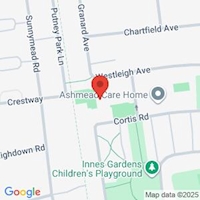
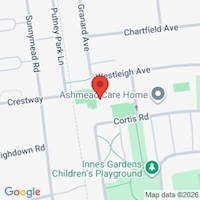
There has been an increase in the number of reports received concerning the supply and use of drugs in and around the Ashburton Estate. Many of the reports are specific to Cortis Road area and surrounding parade of shops.
PMP/82639/24
Issued 30 June 2026
|
Aim:
Reduce gang related violence across the ward through proactive policing, intelligence-led enforcement and partnership working.
Key Priorities:
Prevention: Deter gang related violence and drug dealing through visible policing and engagement.
Enforcement: Target individuals involved in gang related violence.
Partnership: Work with partner agencies to address underlying issues and safeguard vulnerable individuals.
Intelligence: Develop and act upon intelligence to identify hotspots and offenders.
Actions & Responsibilities:
High-Visibility and Plain Clothes Patrols:
- Deploy officers to known hotspot locations during peak times associated with gang related violence.
- Use a combination of foot, cycle, and mobile patrols to increase visibility and disruption.
- Conduct plain clothes operations where appropriate to identify active offenders.
Targeted Enforcement:
- Carry out stop and search where grounds exist in line with legislation and policy.
- Execute intelligence-led warrants where appropriate.
- Target and disrupt individuals involved in gang related violence, drug dealing and robberies.
- Work with specialist units where necessary to tackle organised criminality.
Community Engagement & Prevention:
- Engage with residents and local businesses to gather information and provide reassurance.
- Promote reporting of gang related concerns via the appropriate channels (e.g. 101, Met Online & Crimestoppers).
Partnership Working:
- Work with local authority, housing providers and outreach services to address locations linked to gang related violence.
- Refer individuals who are vulnerable to exploitation through to support agencies.
- Collaborate with agencies to address associated anti-social behaviour and safeguarding concerns.
Intelligence Gathering:
- Ensure all gang related violence incidents are accurately recorded.
- Identify repeat locations, offenders and emerging trends.
- Share intelligence with neighbouring wards and relevant teams
Enforcement Strategy:
- Prioritise enforcement against those involved in gang related violence.
- Use appropriate disposals for possession offences, balancing enforcement with diversion where suitable.
- Build strong evidential cases using officer statements, forensic opportunities and digital media.
- Utilise Knife Crime Prevention Orders (KCPO) for Habitual Knife Carriers.
Communication:
- Update the community via Met Engage and social media on enforcement activity, outcomes and publicise successful operations to reassure the public and deter offenders.
- We will make residents aware of the results of our work, enhancing confidence in our community crime fighting approach through Met Engage and encourage residents to continue reporting activity via 101, online reporting and / or crime stoppers 0800 555 111
Actioned 29 September 2026 |
|
Anti-social Behaviour
Street Drinking and associated ASB in the vicinity of the shops in Ashburton Road.
PMP/68493/24
Issued 30 June 2026
|
Aim:
Reduce Anti Social Behaviour (ASB) across the ward through proactive policing, intelligence-led enforcement and partnership working.
Key Priorities:
Prevention: Deter ASB through visible policing and engagement.
Enforcement: Target individuals involved in causing ASB.
Partnership: Work with partner agencies to address underlying issues and safeguard vulnerable individuals.
Intelligence: Develop and act upon intelligence to identify hotspots and offenders.
Actions & Responsibilities:
High-Visibility and Intelligence Led Patrols:
- Deploy officers to known hotspot locations during peak times associated with ASB activity.
- Use a combination of foot and cycle patrols to increase visibility and disruption.
Targeted Enforcement:
- Use of Early Intervention Scheme (EIS), ASB warnings.
- Use of Community Protection Warnings (CPW) and Community Protection Notices (CPN) for repeat offenders.
- Use of closure orders to target premises involved in ASB and wider criminality.
Community Engagement & Prevention:
- Engage with residents and local businesses to gather information and provide reassurance.
- Promote reporting of ASB concerns via the appropriate channels (e.g. 101, Met Online & Crimestoppers).
Partnership Working:
- Work with local authority, housing providers and outreach services to address locations linked to repeat ASB activity.
- Refer vulnerable individuals to support services
- Collaborate with agencies to address associated anti-social behaviour and safeguarding concerns.
Intelligence Gathering:
- Ensure all ASB incidents are accurately recorded.
- Identify repeat locations, offenders and emerging trends.
- Share intelligence with neighbouring wards and relevant teams.
Enforcement Strategy:
- Prioritise enforcement against those involved in ASB.
- Use appropriate disposals for incidents of ASB.
- Build strong evidential cases using ASB diaries, statements, and digital media.
Communication:
- Update the community via Met Engage and social media on enforcement activity, outcomes and publicise successful operations to reassure the public and deter offenders.
Actioned 29 September 2026 |
|
Motor Vehicle Crime
West Putney remain a high offending ward for theft of motor vehicles with current crime analysis identifying Granard Avenue as a current hot spot.
PMP/82644/24
Issued 30 June 2026
|
Aim:
Reduce Theft of Motor Vehicle crime across the ward through proactive policing, intelligence-led enforcement and partnership working.
Key Priorities:
Prevention: Deter Theft of Motor Vehicle crime through visible policing and engagement.
Enforcement: Target individuals involved in committing offences with the theft of motor vehicles.
Partnership: Work with partner agencies to address underlying issues and safeguard vulnerable individuals.
Intelligence: Develop and act upon intelligence to identify hotspots and offenders.
Actions & Responsibilities:
High-Visibility and Plain Clothes Patrols:
- Deploy officers to known hotspot locations during peak times associated with Theft of Motor Vehicle.
- Use a combination of foot and cycle patrols to increase visibility and disruption.
- Conduct plain clothes operations where appropriate to identify active offenders.
Targeted Enforcement:
- Carry out stop and search where grounds exist in line with legislation and policy.
- Execute intelligence-led warrants where appropriate.
- Target and disrupt individuals involved in the theft of motor vehicle crime.
- Work with specialist units where necessary to tackle organised criminality.
Community Engagement & Prevention:
- Engage with residents and local businesses to gather information and provide reassurance.
- Promote reporting of Theft of Motor Vehicle concerns via the appropriate channels (e.g. 101, Met Online & Crimestoppers).
Partnership Working:
- Work with local authority, housing providers and outreach services to address locations linked to repeat Theft of Motor Vehicle.
Intelligence Gathering:
- Ensure all Theft of Motor Vehicle incidents are accurately recorded to understand what vehicle makes and models are being targeted.
- Identify repeat locations, offenders and emerging trends.
- Share intelligence with neighbouring wards and relevant teams (e.g. VSU, tasking teams).
Enforcement Strategy:
- Prioritise enforcement against those involved in Theft of Motor Vehicle
- Build strong evidential cases using officer statements, Body Worn Videos, CCTV and intelligence logs.
Communication:
- Update the community via Met Engage and social media on enforcement activity, outcomes and publicise successful operations to reassure the public and deter offenders.
Actioned 29 September 2026 |
The word cloud below represents the issues raised by residents through their Local Matters survey. We take this into consideration along with discussions with stakeholders, ward panel meetings and conversations with the public when setting our key priorities